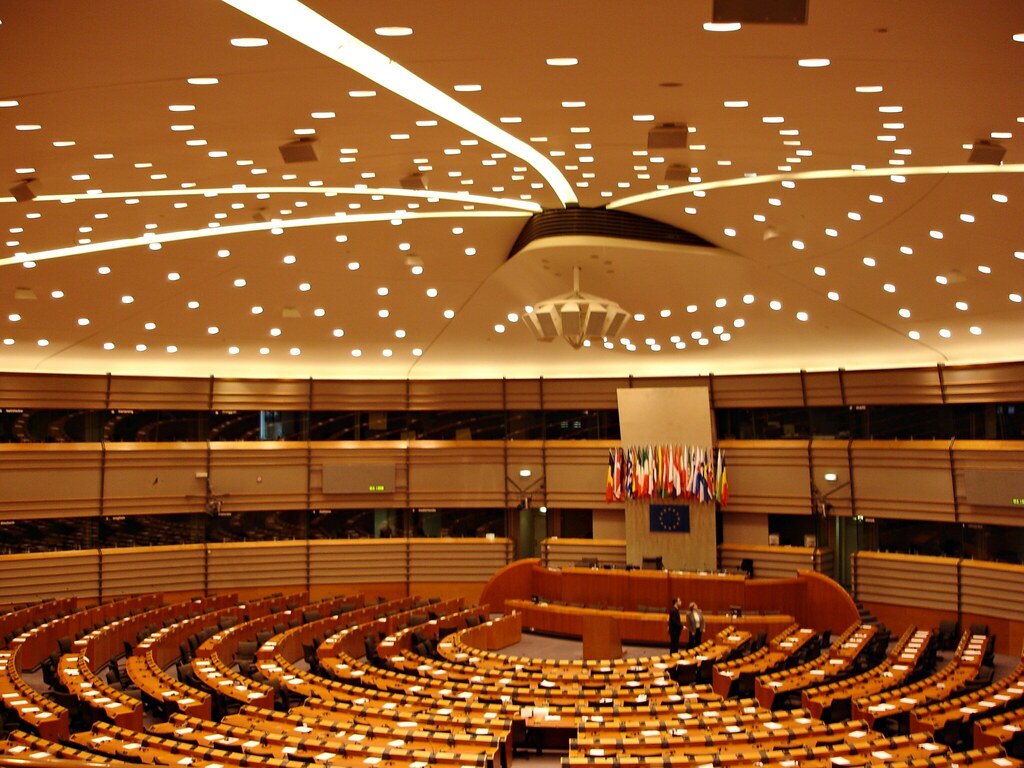
At the EU summit in Brussels, leaders from member states engaged in heated discussions over the next EU budget and the level of financial support for Ukraine. The meeting, held under intense political pressure, highlighted deep divisions among member states regarding how to allocate funds between immediate humanitarian aid for Ukraine and long-term structural investments.
French President Emmanuel Macron and German Chancellor Olaf Scholz were among the most vocal, urging a balanced approach that ensures both Ukraine’s security and the EU’s economic stability. However, several Eastern European nations, including Poland and Hungary, pushed for increased military aid to Kyiv, arguing that the EU must prioritize defense over other priorities.
The summit, originally scheduled for earlier this year, was postponed due to disagreements over the proposed budget framework. With the war in Ukraine entering its third year, the debate over funding has intensified, with some members fearing a potential shortfall in aid.
This dispute comes amid broader concerns about the EU’s ability to maintain cohesion on critical issues. The lack of agreement on the budget has raised fears of a potential breakdown in the union’s ability to respond effectively to the ongoing crisis. The situation remains unresolved, with no immediate indication of a compromise.
The debate over the EU budget reflects deeper political tensions within the bloc, as member states struggle to align their priorities in the face of an evolving geopolitical landscape. The outcome of these discussions will likely shape the EU’s response to the war in the coming months.