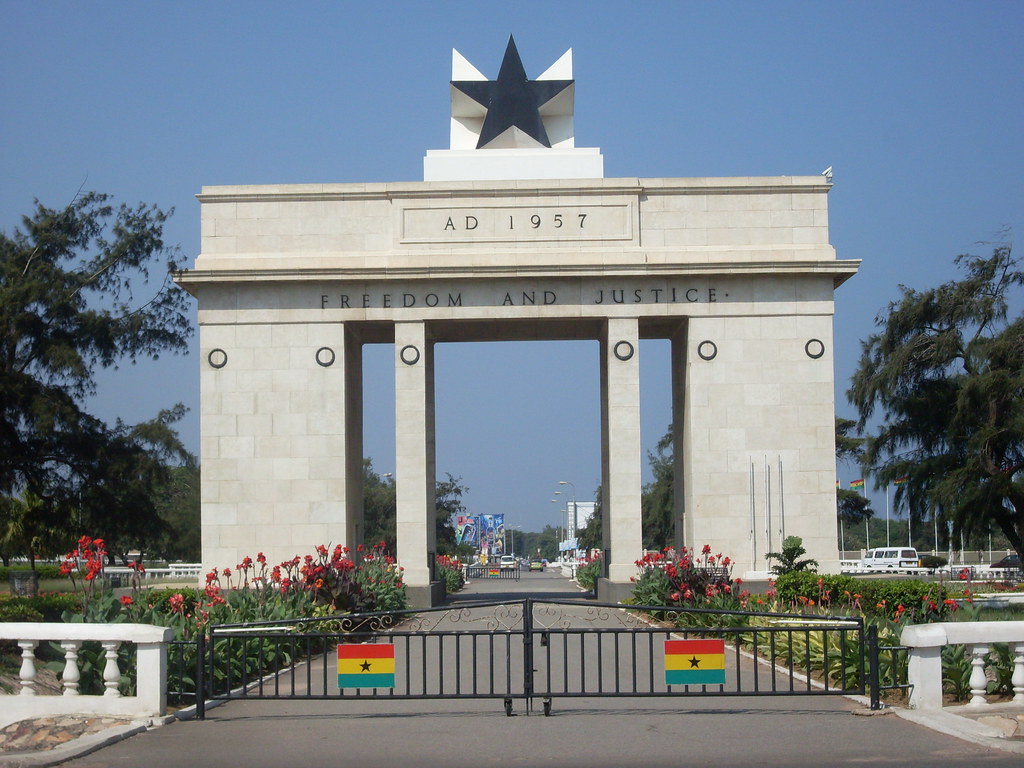
Highlife music has been a defining element of Ghana’s cultural landscape for over a century. Originating in the early 20th century, it emerged from a blend of African rhythms and Western musical influences, particularly jazz and popular music. The genre became a symbol of national pride and identity, especially during Ghana’s independence movement in the 1950s and 1960s.
Today, Highlife continues to evolve, incorporating modern elements while retaining its traditional roots. Artists like Ebo Taylor and Kofi Ghanaba helped popularize the genre internationally, blending it with other styles such as Afrobeat and reggae. Contemporary musicians are now experimenting with electronic and hip-hop influences, ensuring Highlife remains relevant to younger audiences.
The genre’s resilience is evident in its continued presence across Ghana’s radio stations, music festivals, and social media platforms. Despite the rise of global music trends, Highlife remains a key part of Ghana’s cultural expression. Its evolution reflects the country’s broader social and artistic development, maintaining its role as a unifying force in Ghanaian society.