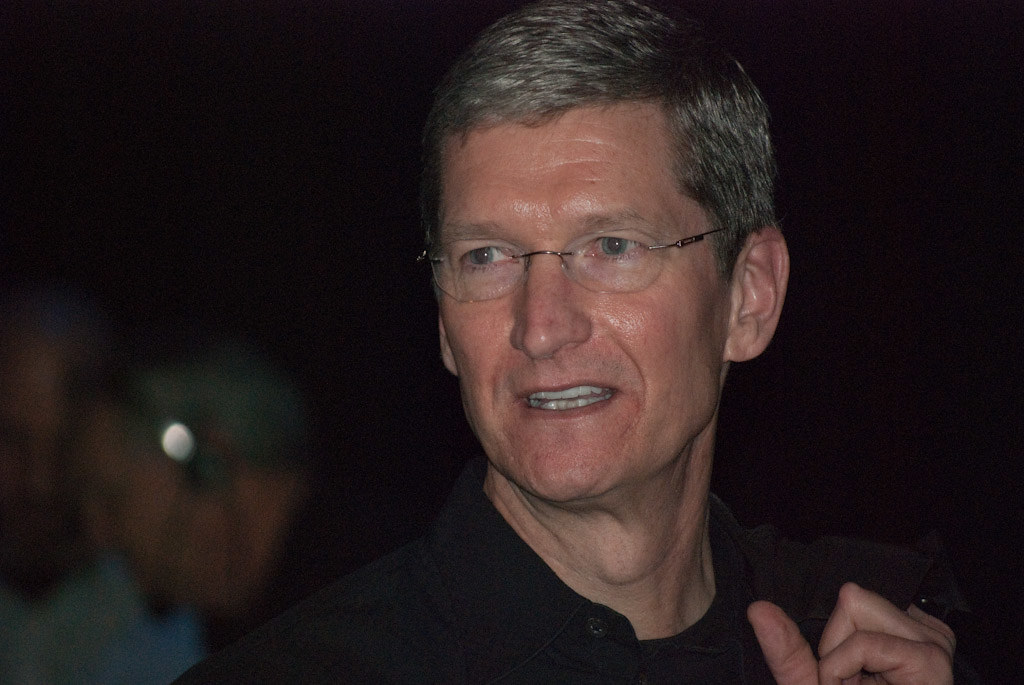
Jensen Huang, co-founder and CEO of Nvidia, resigned on Thursday, citing personal reasons, according to a company filing. The move came after reports of two extramarital affairs, including one with an alleged Chinese spy and another with a direct report. Huang, 63, stepped down as president, chief executive, and board member immediately.
Nvidia's stock fluctuated following the announcement, with initial declines followed by a partial recovery. The company has begun searching for a new leader, with interim chief Colette Kress, veteran engineers, and potential external candidates, including a Trump appointee, under consideration. Huang's departure marks the first leadership change in the company's 33-year history.
The resignation has sparked reactions from tech leaders, with some calling it a mistake for Nvidia to allow Huang to resign. The situation unfolded rapidly, with media outlets like The New York Times reporting on Huang's alleged closeness with the suspected spy before other details emerged. The scandal has raised questions about corporate governance and the impact of personal conduct on business leadership.
Nvidia's leadership vacuum follows a period of intense scrutiny, with concerns over the AI industry's growth and financial stability. Huang's resignation has intensified discussions about the risks of an AI bubble and the broader implications for tech leadership. The company now faces the challenge of maintaining its position in the competitive chip market while navigating the fallout from its former CEO's actions.