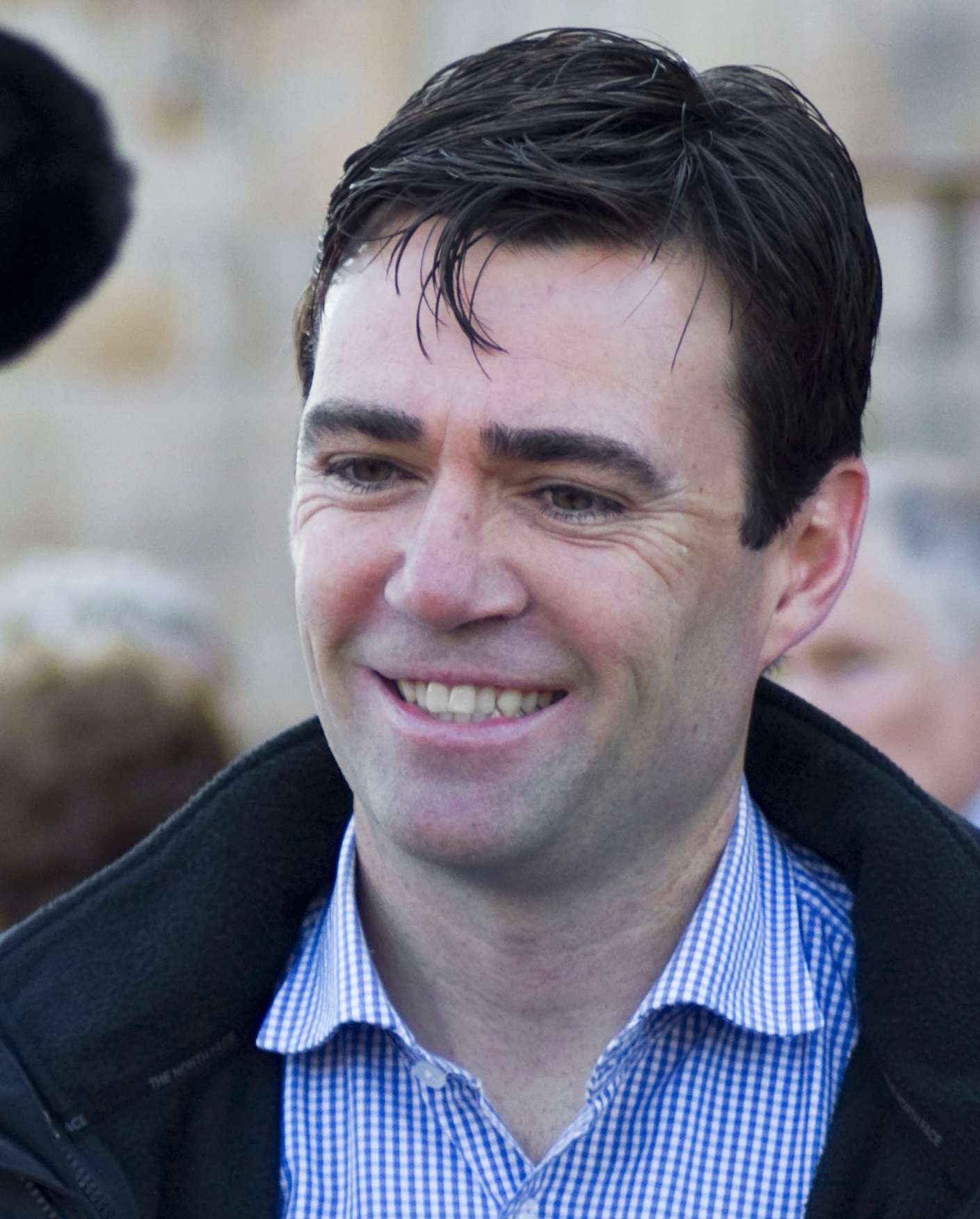
British Prime Minister Andy Burnham has reiterated claims that Russia interfered in the 2016 Brexit referendum, according to a recent statement. Burnham asserted that it was "clear" Moscow had meddled in the vote, a claim previously made by him and now reinforced in the wake of internal political scrutiny. The assertion comes as Burnham faces questions over Labour’s ties to the UAE and the influence of far-right groups linked to Russia.
Burnham’s remarks were supported by Germany’s Friedrich Merz, who reportedly told him the far-right AfD party has connections to Russia. This adds weight to Burnham’s argument that foreign interference, particularly from Moscow, played a role in shaping the Brexit outcome. However, some within the UK government have challenged these claims, with a top foreign office minister stating that Russia has failed to undermine British elections.
The debate over Russian influence in the Brexit vote has resurfaced amid growing concerns about political alignment and foreign interference. Burnham’s comments on the issue have sparked renewed discussion about the extent of Moscow’s involvement in UK politics. While some ministers have backed Burnham’s claims, others have questioned their validity, highlighting the ongoing political tensions surrounding the topic.
The controversy underscores the broader implications of foreign influence in democratic processes. As the UK continues to navigate its post-Brexit landscape, the question of external interference remains a sensitive and contentious issue. The debate is likely to continue as political leaders and analysts weigh the evidence and assess the true impact of foreign actors on national elections.