A mysterious fungal infection linked to mummified body parts has raised concerns in the UK. The risk stems from the illegal trade of ancient human remains, which could release harmful spores. These spores may spread through postal systems, posing a public health threat.
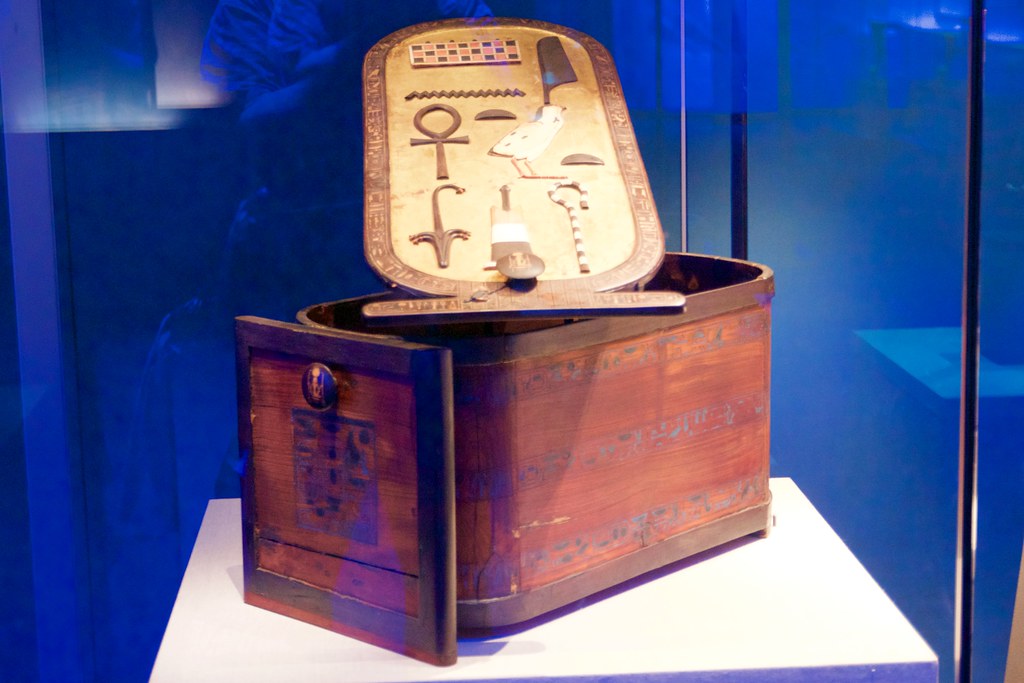
The warning follows historical accounts of a 1922 incident involving Lord Carnarvon, who died shortly after exploring Tutankhamun's tomb. His death was attributed to a "Mummy's Curse," though modern analysis suggests fungal exposure may have played a role. Scientists now fear similar risks could emerge from the global trade in mummified body parts.
This trade has grown in recent years, driven by demand for rare artifacts and unregulated excavation. The UK has become a key transit point for such items, with some entering the country through postal services. Health officials are urging stricter controls to prevent the spread of potentially dangerous pathogens.
The situation echoes past concerns about biosecurity, but modern transportation networks have increased the risk of spore transmission. Experts warn that without intervention, the UK could face a new public health challenge. The government is now reviewing measures to monitor and restrict the import of mummified remains.