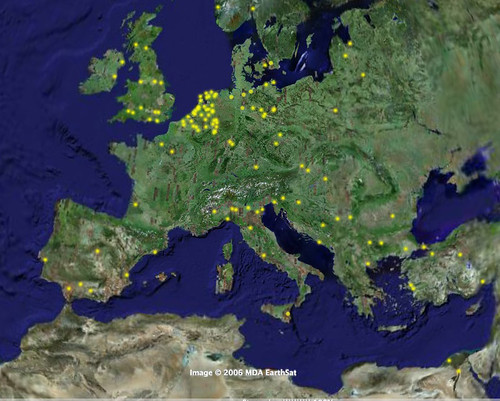
European officials are reconsidering the strategic placement of AI infrastructure following reports of drone strikes targeting data centers in Ukraine. A United Nations adviser has called for a slowdown in the development of Europe’s AI factories, citing the increasing vulnerability of these facilities to military attacks. The expert argues that the conflict has exposed the risks of concentrating AI infrastructure in regions prone to warfare, urging a more cautious approach to the expansion of digital capabilities.
The strikes, which have targeted data centers in Ukraine, highlight the growing intersection between technological development and military strategy. These facilities, essential for processing and storing vast amounts of data, are now seen as potential targets in the ongoing conflict. The adviser emphasized that the situation underscores the need for Europe to diversify its AI infrastructure to reduce exposure to geopolitical risks.
The debate comes as the European Union continues to support Ukraine through military and economic aid. However, the incident has sparked discussions about the broader implications for cybersecurity and national security. Some European leaders are now advocating for a more distributed model of AI infrastructure, one that minimizes the risk of disruption in times of conflict.
The conflict in Ukraine has already led to significant changes in European policy, including the redirection of energy supplies and the reassessment of trade relationships. The current situation with AI infrastructure adds another layer of complexity to the continent’s strategic planning. As the war continues, the balance between technological advancement and security remains a critical concern for policymakers.