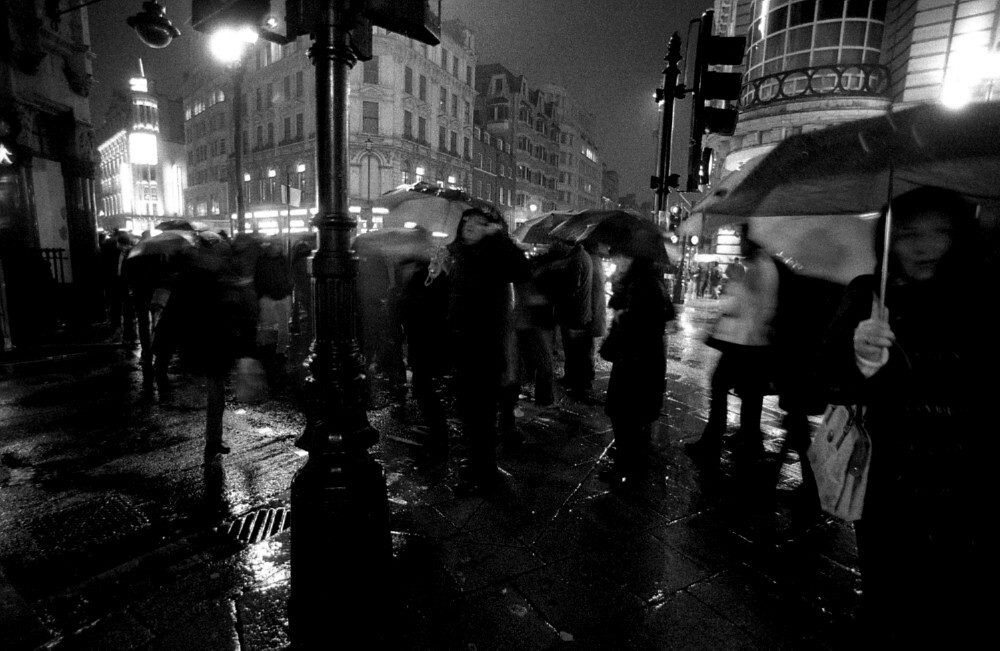
London has begun pedestrianizing a major stretch of Oxford Street, marking a significant shift in urban planning. The closure affects a nearly one-kilometer section between Orchard Street and Great Portland Street. Vehicles, including buses and bicycles, are banned from the area.
The move was announced by London Mayor Sadiq Khan, who described the change as a “truly momentous occasion.” The pedestrianization aims to reduce traffic and pollution, transforming the area into a greener public space. The closure is permanent, with the street open 24 hours a day, seven days a week.
This initiative follows months of planning and public consultation. The city has emphasized the benefits of reducing congestion and improving air quality. The area is one of London’s busiest shopping districts, and the change is expected to impact local businesses and commuters.
Oxford Street has long been a key commercial hub, but its high traffic levels have drawn criticism. The pedestrianization is part of a broader effort to make the city more sustainable and livable. The project reflects growing global trends toward prioritizing pedestrian access in urban centers.
The decision has sparked mixed reactions. Some residents and business owners welcome the change, while others express concerns about the impact on local transport and commerce. The city has promised to monitor the effects and adjust policies as needed.
This shift underscores London’s commitment to reimagining its urban spaces for the benefit of residents and visitors alike. The success of the pedestrianization will likely influence future urban planning decisions in the city.