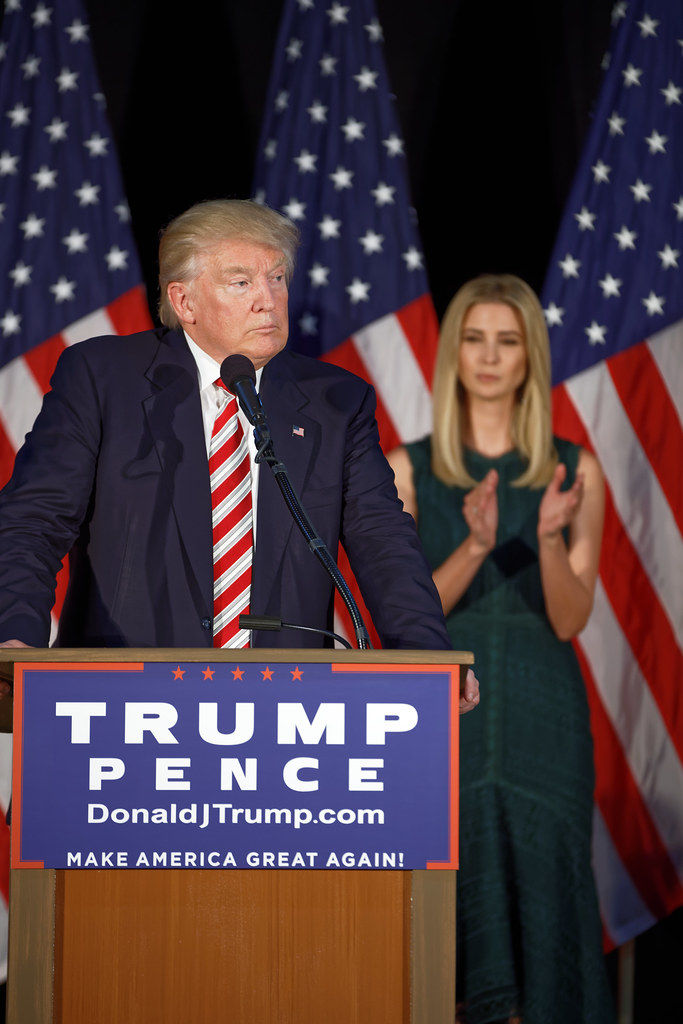
Democrats have secured a majority in the US Congress following the midterm elections, marking a significant political shift as President Donald Trump's party suffered major losses. The results reflect a nationwide rejection of Trump's policies and leadership, with Democrats gaining control of both the House and Senate. This change in power is expected to lead to increased oversight of Trump's administration and potential legislative challenges to his policies.
The midterm elections saw a decisive victory for Democrats, who won key races across the country. This outcome has raised concerns about the future direction of US policy, particularly regarding trade, immigration, and domestic regulations. Trump, who has long criticized the Democratic Party, faces a more formidable opposition in Congress. His administration may now encounter greater resistance in implementing its agenda, including tax cuts and regulatory rollbacks.
This political realignment follows a series of controversies and policy shifts under Trump's leadership. The Democratic victory is seen as a response to public dissatisfaction with Trump's governance, including his handling of the pandemic, economic policies, and social issues. With a new majority in Congress, Democrats are likely to push for reforms that contrast with Trump's approach, potentially leading to a more progressive legislative agenda. The outcome also signals a broader shift in American politics, with voters increasingly favoring candidates who advocate for change and accountability.