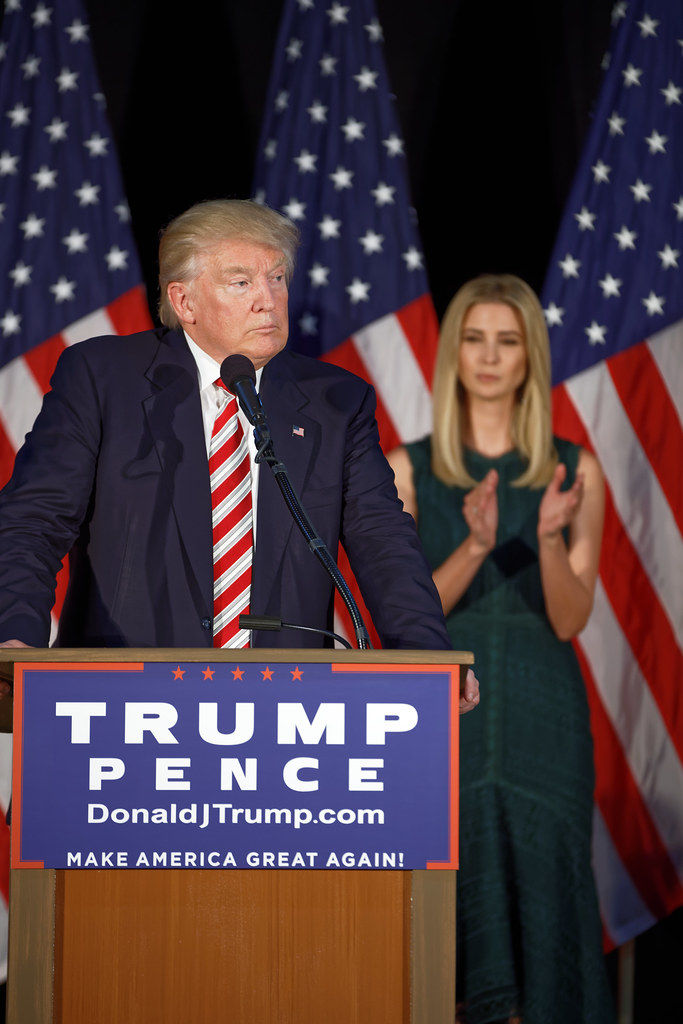
The Democratic Party has secured control of both the U.S. House of Representatives and the Senate in a decisive midterm election victory. This outcome marks a significant shift in American politics, with Democrats winning in key Republican strongholds and rejecting President Donald Trump’s agenda. The results were seen as a referendum on Trump’s leadership, with voters broadly disapproving of his policies and governance style.
In the House, Democrats gained 19 seats, while in the Senate, they added five seats, giving them a majority in both chambers. The election results reflect a nationwide rejection of the Republican Party’s approach, particularly under Trump’s leadership. Several states that had historically favored Republicans saw strong Democratic wins, including traditionally conservative districts in the Midwest and South.
President Trump acknowledged the results in a Fox News interview, expressing willingness to work with Democrats but taking no direct responsibility for the loss. He praised the Democratic victory and suggested that the Iran war may have contributed to the GOP’s defeat. However, he did not concede the election or acknowledge any failure in his administration’s policies.
This landslide marks the first time since the 1940s that a party has taken full control of both chambers of Congress in a midterm election. The shift is expected to influence upcoming legislative priorities, including potential reforms on healthcare, climate policy, and economic regulation. The Democratic majority is likely to push forward with progressive agendas, challenging the Republican Party’s traditional dominance.
The election outcome has also sparked reactions from political figures and commentators. Elon Musk, despite his financial support for the Republican Party, humorously acknowledged the GOP’s defeat. Meanwhile, analysts note that the results could signal a long-term realignment in American politics, with voters increasingly favoring Democratic platforms on social and economic issues.