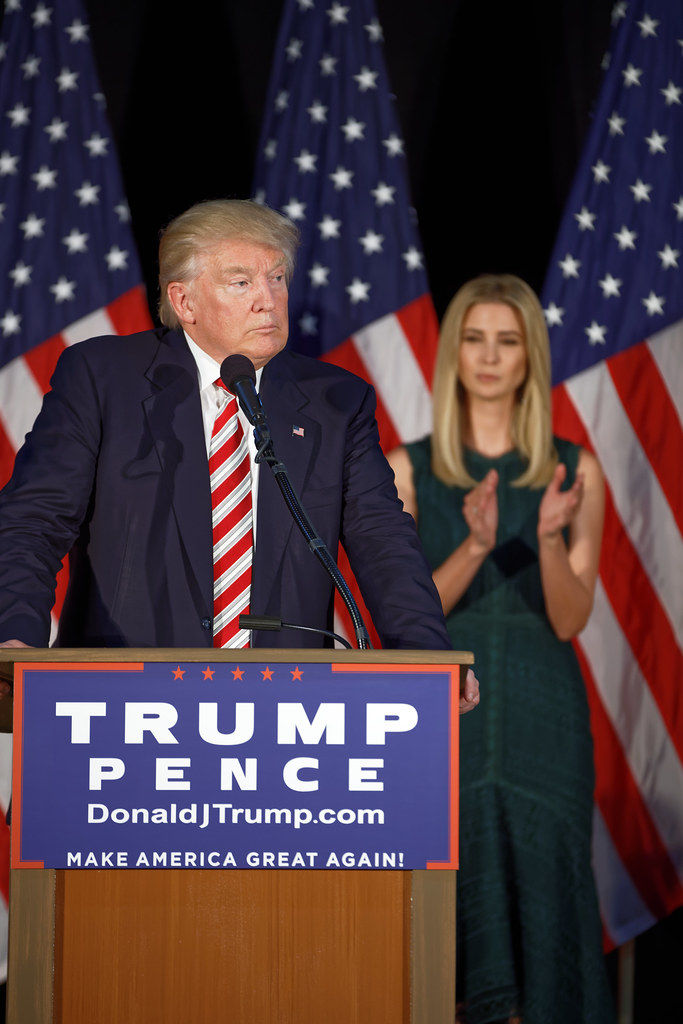
After the sweeping Democratic victory in the U.S. Midterm elections, President Donald Trump and members of his party have begun to shift blame for the losses. Trump claimed that his absence from the ballot in key states contributed to the defeat, but many Republicans have instead pointed fingers at him.
Trump admitted that the Iran war "largely" caused the Republicans' election wipeout, but he insisted that the decision was necessary for national security. His comments came as several Republican lawmakers called for a change in direction, suggesting that the war may have alienated voters.
Vice President Mike Pence, in a rare break with Trump, also criticized the administration’s approach to the Iran conflict. He stated that the war was a major factor in the GOP’s losses, though he did so with Trump’s apparent approval.
The midterm results marked a significant shift in power, with Democrats gaining control of both chambers of Congress. This has raised concerns about the future of Trump’s agenda, particularly regarding foreign policy and domestic priorities.
The election outcome has also had economic repercussions, with oil prices dropping over 8% as traders assessed the impact of the Democratic sweep. Analysts suggest that the shift in political power may lead to a more progressive legislative agenda, potentially altering the course of U.S. Policy in the coming years.