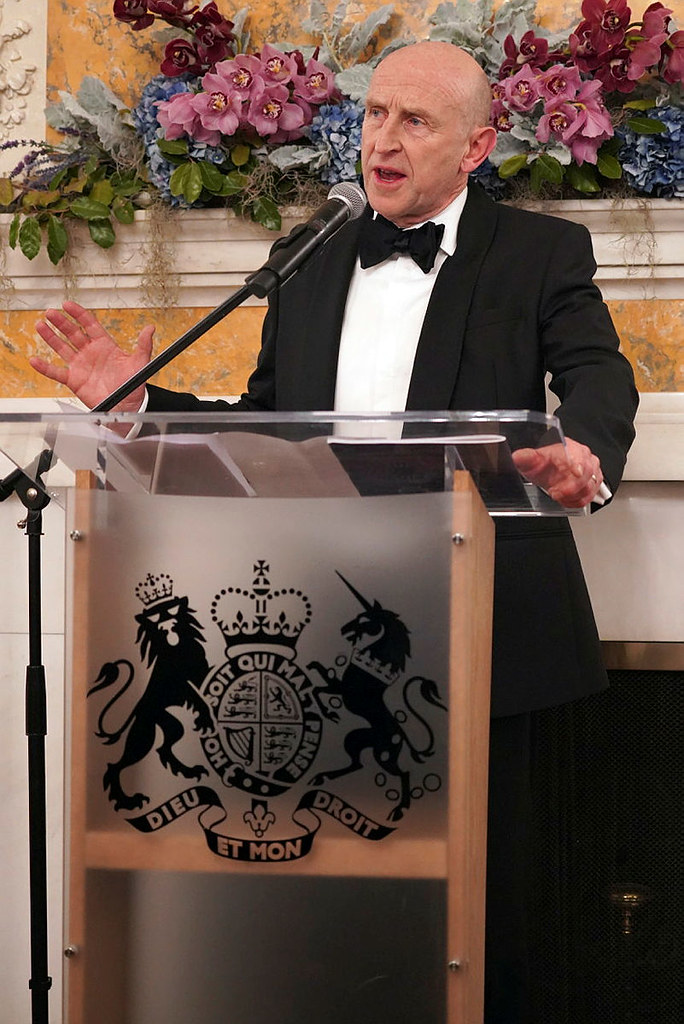
John Healey, Chancellor of the Exchequer, delivered the UK’s first Budget under the Labour government, outlining measures aimed at supporting young people in London. The plan includes changes to student loans, housing affordability, and wage growth, with specific attention to the challenges faced by Generation Z. The Budget also introduced a tax on banks, which has raised concerns about potential reductions in savings interest rates.
The government is increasing the tax on banks, a move intended to fund public services and reduce inequality. However, financial analysts warn that this could lead to lower returns for savers, as banks may pass on the additional costs to customers. The policy has sparked debate, with some arguing it could harm consumer confidence and economic growth.
This Budget follows a period of economic uncertainty, with the Labour government facing pressure to address rising living costs and youth unemployment. John Healey emphasized the need for fiscal responsibility while promoting growth, stating that the measures would provide "breathing space" for the economy. The Budget also includes plans for departmental spending cuts, which could affect public services and social programs.
The economic strategy comes amid growing concerns about the impact of inflation on young people, particularly in London, where housing and education costs remain high. The government’s approach to balancing fiscal discipline with social support will be closely watched in the coming months.