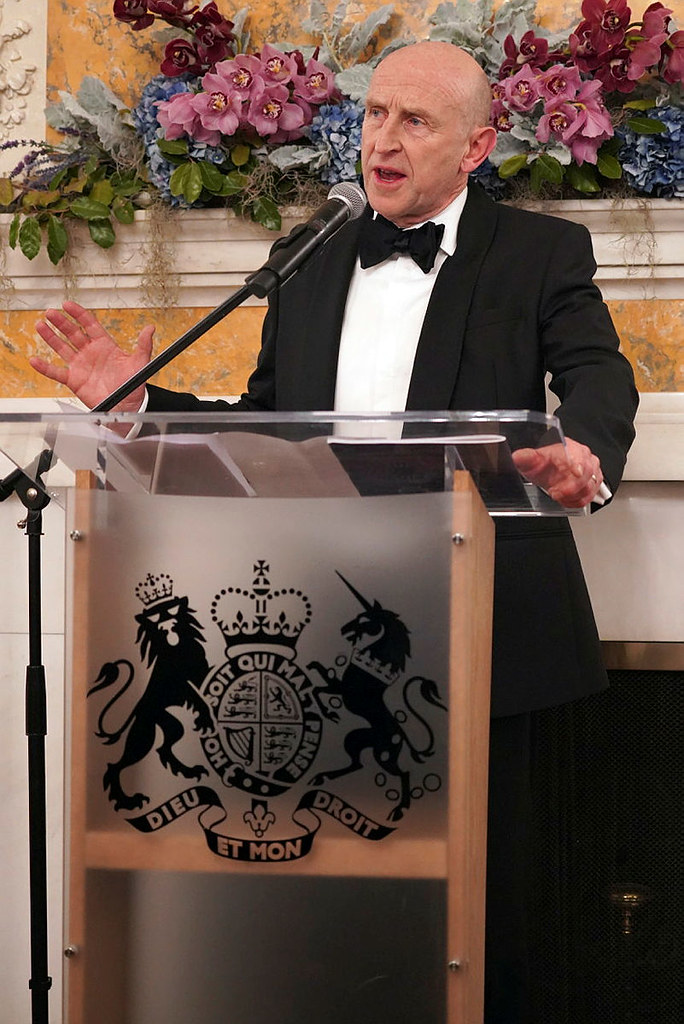
The UK Chancellor, John Healey, delivered his first Budget speech as part of the Labour Government’s economic strategy. The speech outlined several key measures aimed at addressing the cost of living crisis, including a one-time £100 payment to millions of households and an increase in the minimum wage.
Healey announced the £100 payment as part of a broader plan to support households facing financial strain. The measure is expected to be distributed to eligible recipients in the coming months. Additionally, the minimum wage will rise, though the exact percentage was not specified in the initial announcement. The changes are part of the government’s effort to ease financial pressures on families and workers.
The Budget also included significant tax reforms targeting high street banks. Healey introduced a major tax raid on financial institutions, which is expected to increase the cost of borrowing for mortgage holders. This move has raised concerns among homeowners, as it may lead to higher monthly mortgage payments. The policy also marks the end of free cash switching deals, affecting how customers manage their accounts.
This Budget follows a period of economic uncertainty, with inflation and rising living costs placing pressure on households. The Labour Government has positioned these measures as part of a long-term strategy to stabilize the economy and improve living standards. The full speech was broadcast live, allowing for public scrutiny and immediate reaction from financial analysts and the public.
The changes come amid ongoing debates over fiscal responsibility and the balance between supporting citizens and maintaining economic stability. As the government moves forward, the impact of these policies will be closely monitored by both the public and financial sectors.