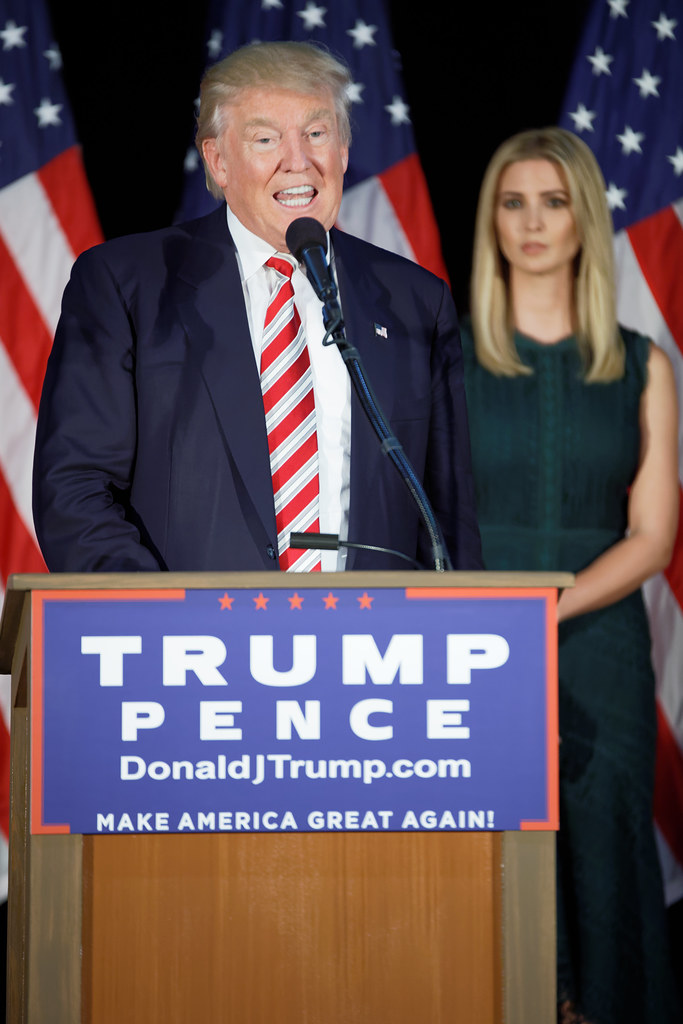
Following the U.S. Midterm elections, President Donald Trump faces a significant political shift as his party lost control of Congress. The results have left him with a reduced ability to push his agenda, as Republicans now hold only a minority in both chambers. This loss has led to speculation about Trump's future influence within the party and his capacity to enact policies during the remainder of his term.
Trump has warned that impeachment could harm the Democratic Party, but his warnings come amid growing internal party tensions. Some Republican leaders, including Florida Governor Ron DeSantis, have distanced themselves from Trump, calling the election loss a potential "extinction-level event" for the party. DeSantis suggested the defeat could weaken the party for years, indicating a possible fracture within the Republican ranks.
The midterm losses have also raised questions about Trump's impact on his party's performance. Analysts suggest his low approval ratings may have affected the candidates he supported. With limited congressional support, Trump may rely more on executive actions to advance his policies. However, his ability to negotiate with Democratic leaders remains uncertain.
This political shift marks a turning point for Trump, who now holds power without the legislative backing he previously enjoyed. The situation highlights the challenges of governing without a majority, and the potential for further internal divisions within the Republican Party. As the new political landscape takes shape, the role of Trump in shaping policy will likely be more constrained than in the past.