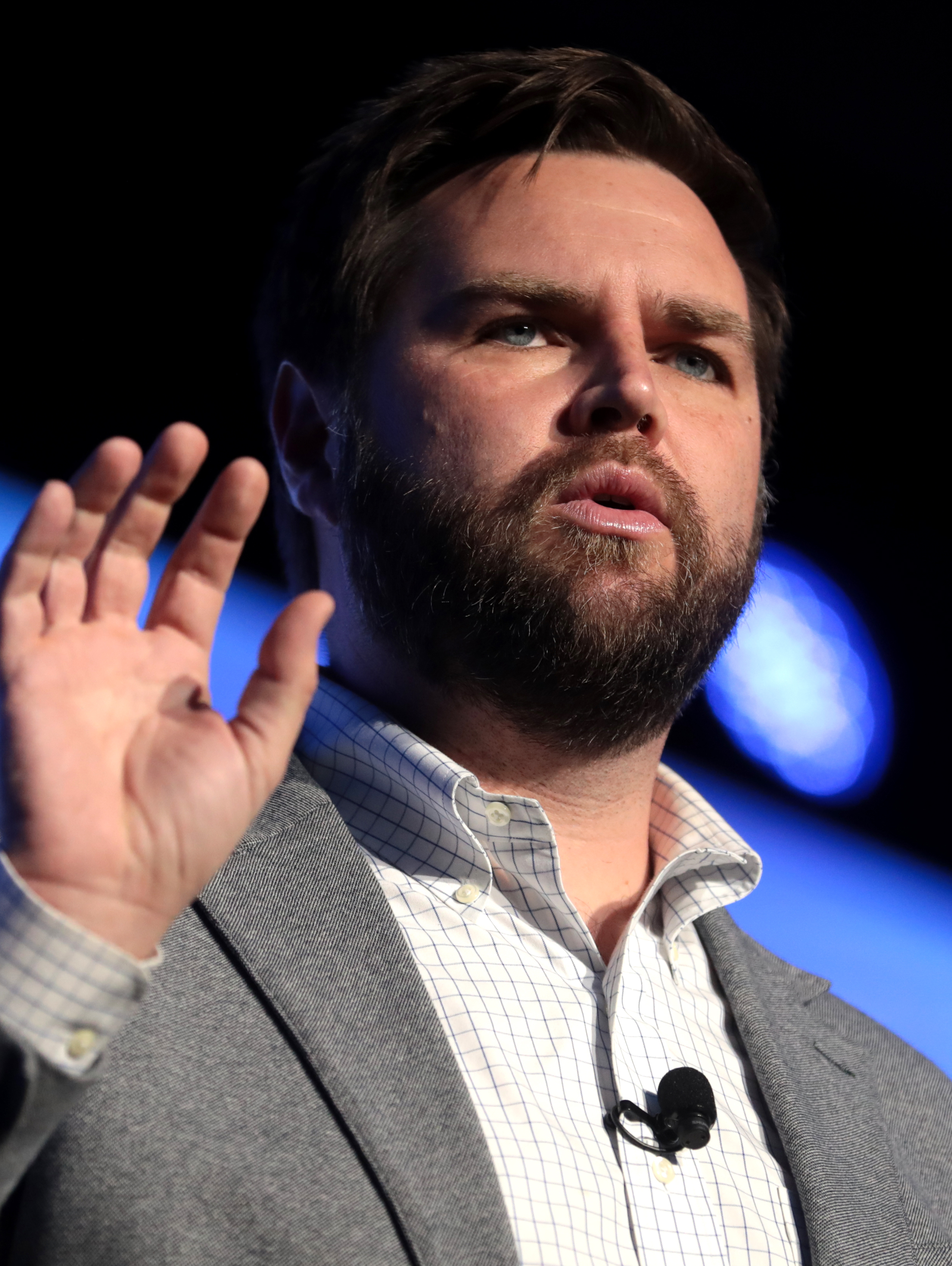
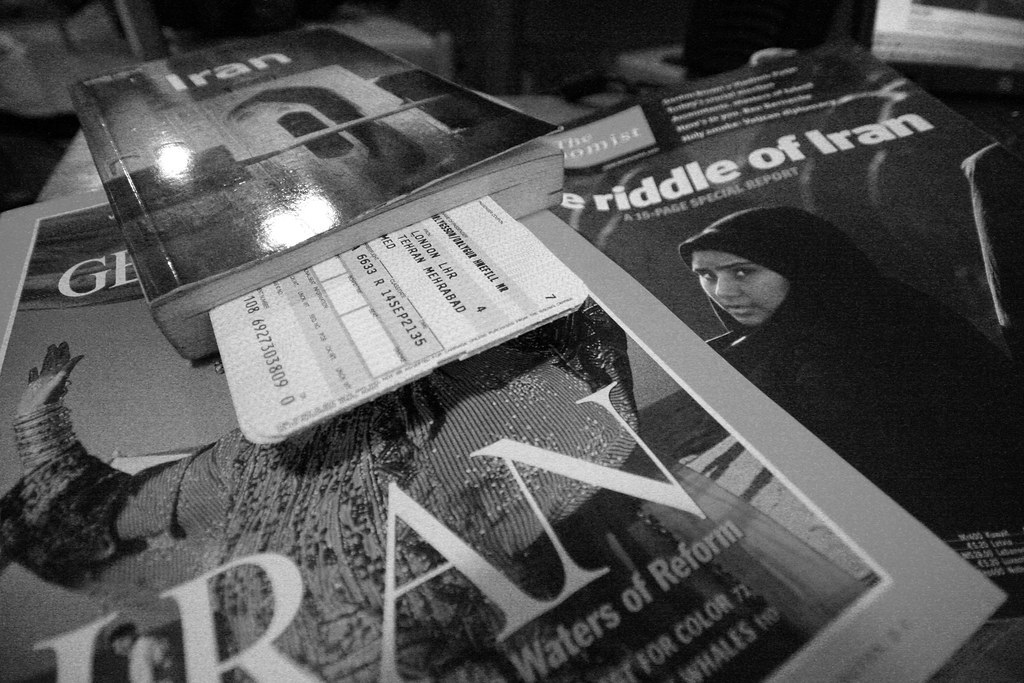
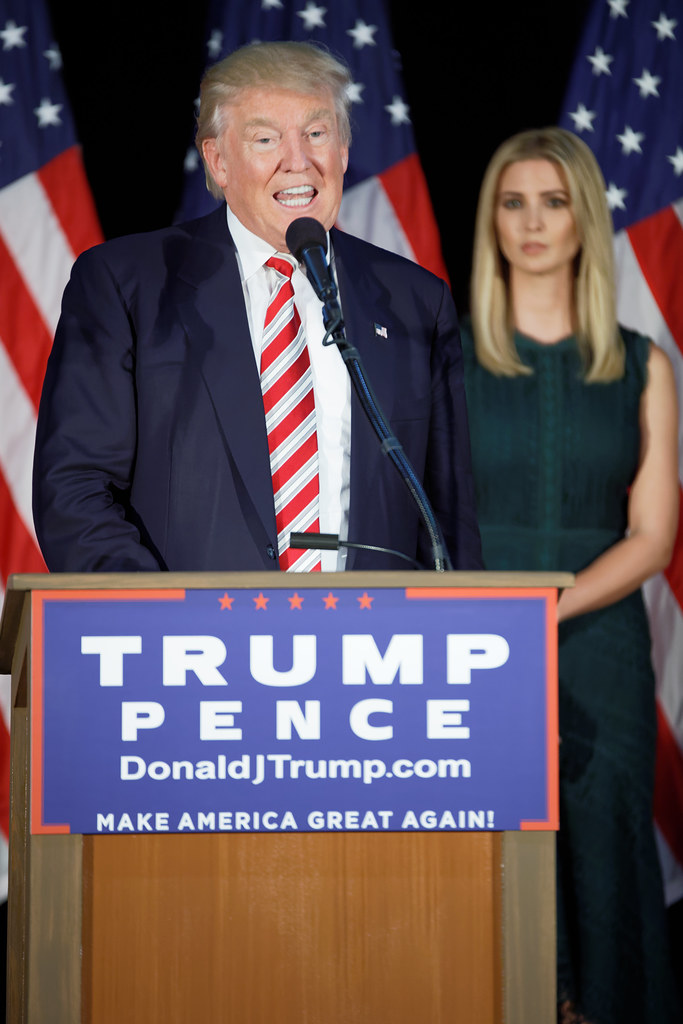
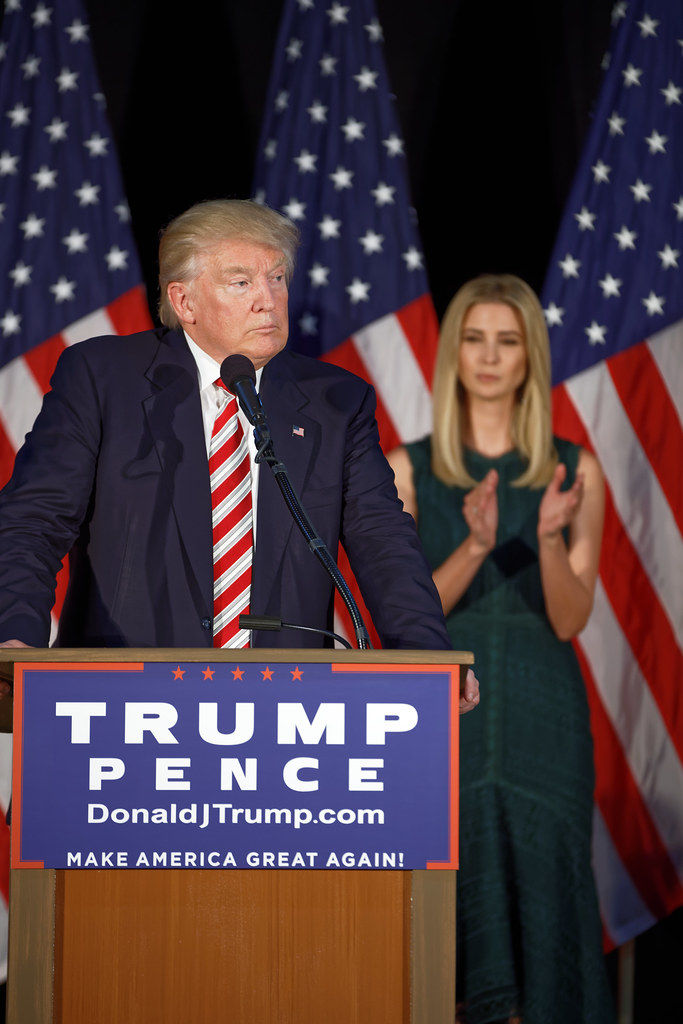
The U.S. Midterm elections delivered a crushing defeat to the Republican Party, stripping it of congressional control and leaving President Donald Trump in a weakened position. The loss has sparked internal divisions within the party, with key figures like Vice President JD Vance and Florida Governor Ron DeSantis distancing themselves from Trump. Vance has distanced himself from Trump’s defense of the Iran war, which many analysts believe contributed to the Republican losses. DeSantis described the defeat as a political disaster that could weaken the party for years.
Trump, who remains president, now faces the prospect of serving the remainder of his term as a “lame duck.” With the House and Senate now controlled by Democrats, his ability to push legislative agendas is severely limited. The White House is expected to adopt a more aggressive foreign policy, relying heavily on executive orders. Trump has hinted at using his veto power for “a month or two” before engaging in negotiations with Democratic leaders.
The fallout from the midterms has also led to public criticism of Trump’s leadership style. Rising inflation and dissatisfaction with his foreign policy decisions have fueled voter discontent. Some Republicans, including Vance, have blamed the Iran war for much of the party’s losses. Meanwhile, Iran’s parliament speaker, Bagher Ghalibaf, has directly challenged Vance, questioning his stance on U.S. Policy toward Israel and Trump’s potential for further conflict.
This political realignment marks a significant shift in the Republican Party’s trajectory. With key leaders moving away from Trump, the party faces an uncertain future. The next phase of U.S. Politics will likely be shaped by the evolving dynamics between the White House and the new Democratic-led Congress.